How much mulch do I need?
A simple formula to calculate mulch by the yard, plus how deep to lay it for weed control without smothering your plants.
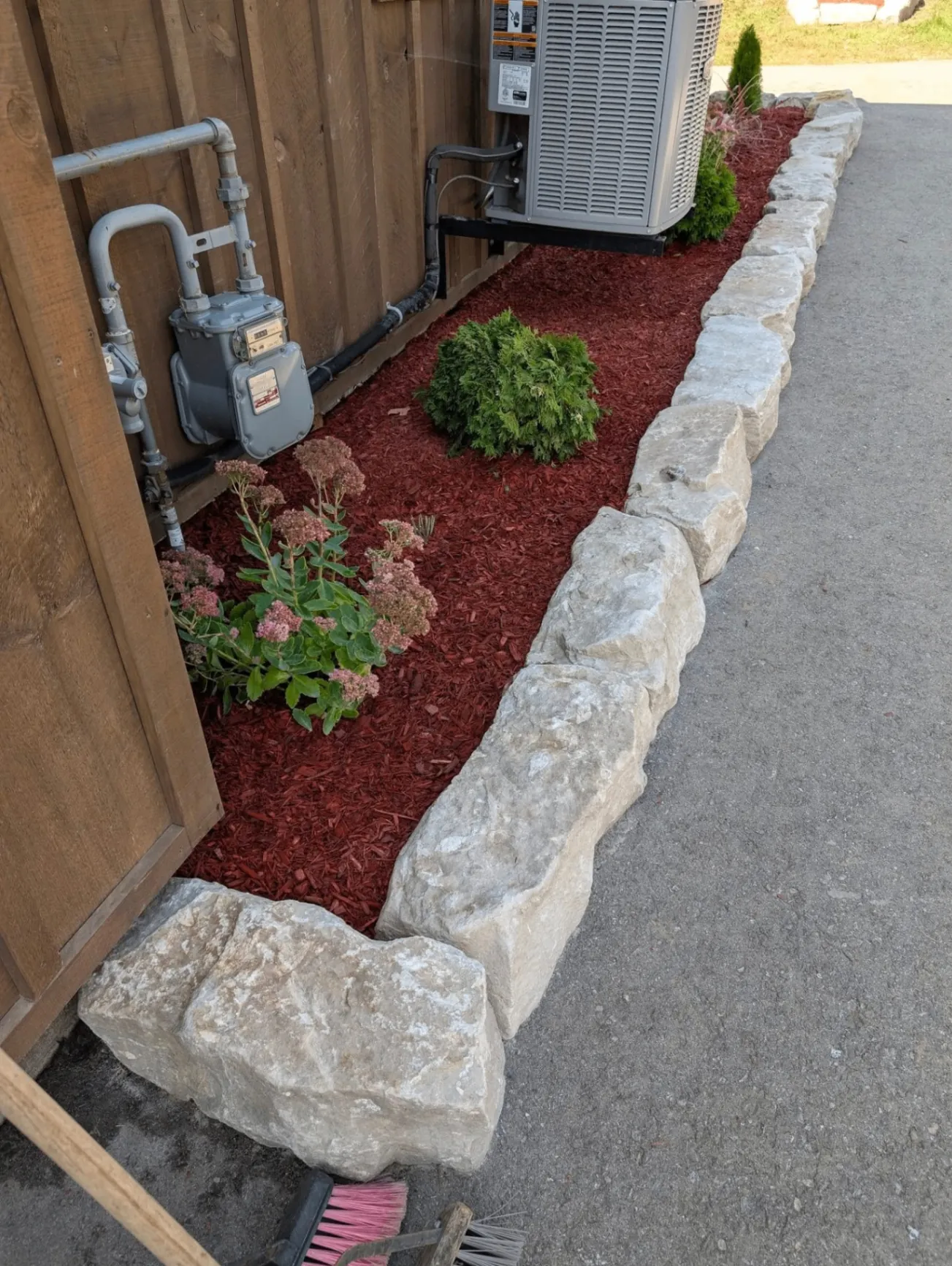
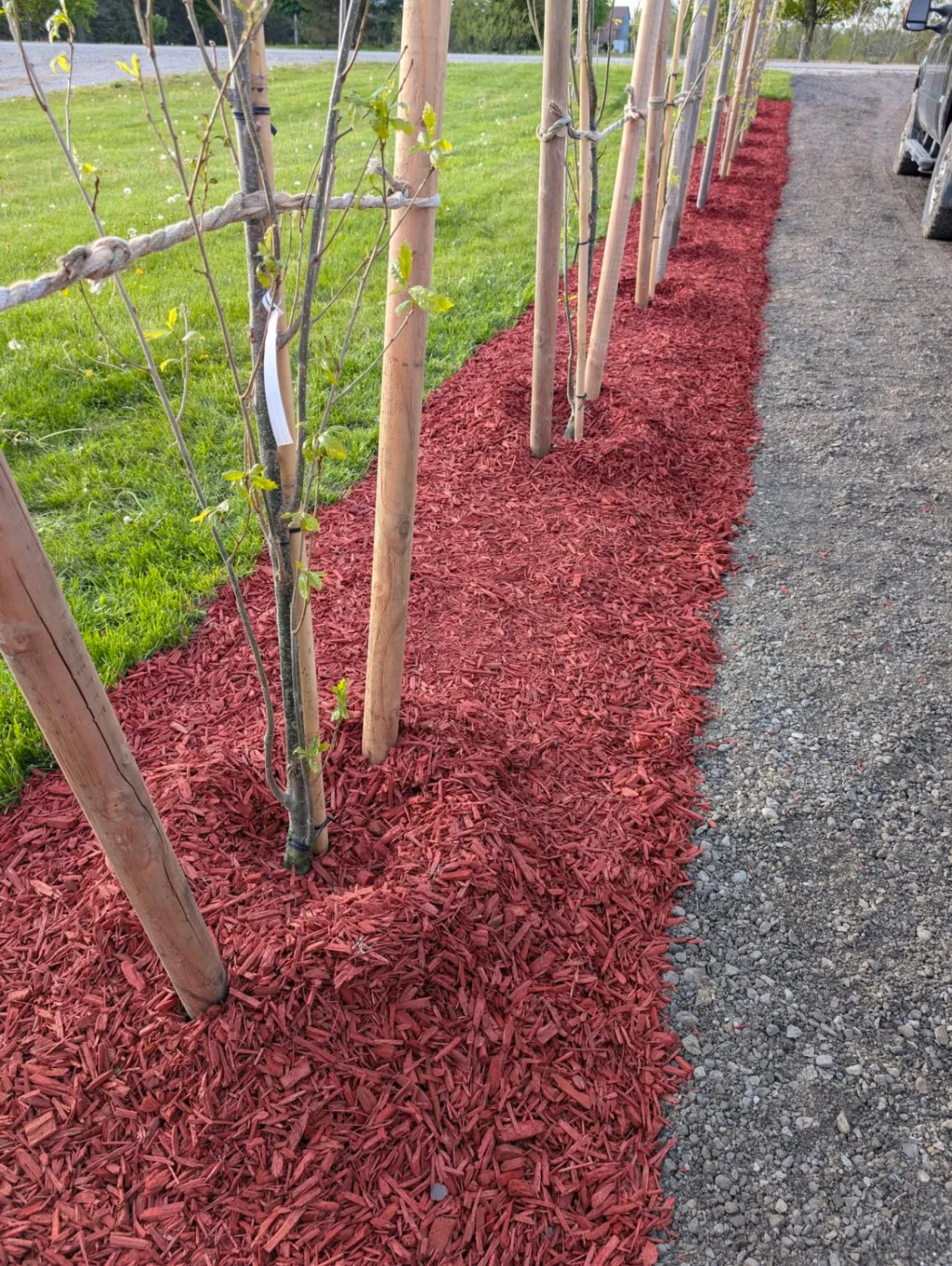
Fresh mulch is one of the easiest and most cost-effective ways to improve the appearance of your landscape. It helps suppress weeds, retain soil moisture, regulate soil temperature, and gives garden beds a clean, finished look.
One of the most common questions homeowners ask is: 'How much mulch do I need?' The answer depends on the size of your garden beds and how deep you want the mulch applied.
The Recommended Mulch Depth
For most residential landscapes, mulch should be applied at a depth of 2 to 3 inches for annual top-ups, and 3 to 4 inches for new garden beds or areas with little existing mulch. Applying too little mulch reduces its effectiveness, while applying too much can cause drainage problems and harm plant health.
How to Calculate Mulch Requirements
The easiest way to estimate mulch is to calculate the square footage of your garden bed.
Step 1: Measure the Area
For rectangular beds, multiply Length × Width to get Square Feet. Example: 20 feet × 10 feet = 200 square feet.
Step 2: Determine Mulch Depth
- 2 inches for maintenance applications
- 3 inches for standard installations
Step 3: Calculate Cubic Yards
A general rule is that 1 cubic yard of mulch covers approximately 162 square feet at 2 inches deep, 108 square feet at 3 inches deep, or 81 square feet at 4 inches deep.
Example: A 200-square-foot garden bed requiring 3 inches of mulch: 200 ÷ 108 = 1.85 cubic yards. You would order approximately 2 cubic yards of mulch.
Quick Mulch Coverage Guide
- 100 sq ft: 0.6 cubic yards at 2 inches, 0.9 cubic yards at 3 inches
- 200 sq ft: 1.2 cubic yards at 2 inches, 1.9 cubic yards at 3 inches
- 300 sq ft: 1.9 cubic yards at 2 inches, 2.8 cubic yards at 3 inches
- 500 sq ft: 3.1 cubic yards at 2 inches, 4.6 cubic yards at 3 inches
- 1,000 sq ft: 6.2 cubic yards at 2 inches, 9.3 cubic yards at 3 inches
Choosing the Right Mulch
Not all mulch products are the same. Popular options include shredded hardwood mulch, black mulch, brown mulch, and cedar mulch.
Shredded Hardwood Mulch
- Long-lasting
- Natural appearance
- Excellent weed suppression
Black Mulch
- Modern appearance
- Strong visual contrast
- Popular for residential properties
Brown Mulch
- Natural look
- Complements most landscape designs
Cedar Mulch
- Attractive colour
- Pleasant aroma
- Naturally resistant to insects
Mulch Volcanoes
One of the most common landscaping mistakes is piling mulch against tree trunks. This can trap moisture, encourage disease, and damage bark. Instead, keep mulch several inches away from the base of trees and shrubs.
Applying Too Much Mulch
- Prevent water penetration
- Restrict oxygen to roots
- Encourage fungal growth
- Create unhealthy growing conditions
Ignoring Existing Mulch
Many homeowners add new mulch every year without checking existing depth. In many cases, a light top-up is all that is required.
When Should Mulch Be Replaced?
Most mulch should be refreshed every one to two years.
- Significant fading
- Thin coverage
- Increased weed growth
- Soil exposure
- Compacted material
Professional Mulch Installation
While mulch appears simple, proper installation can dramatically improve the appearance and health of a landscape.
- Proper bed preparation
- Weed removal
- Accurate depth
- Clean edging
- Even coverage
- Professional appearance
Need Help With Mulch Installation?
Whether you're refreshing existing beds or creating a brand-new landscape, proper mulch installation can instantly improve curb appeal and reduce maintenance.
SPS Landscape Group provides professional mulch installation, garden bed restoration, landscaping, and property maintenance services throughout Aylmer, Oxford County, Elgin County, Norfolk County, and surrounding communities.
Contact us today for a free estimate and let us help your landscape look its best.