
Service
Overseeding in Elgin, Oxford & Norfolk Counties
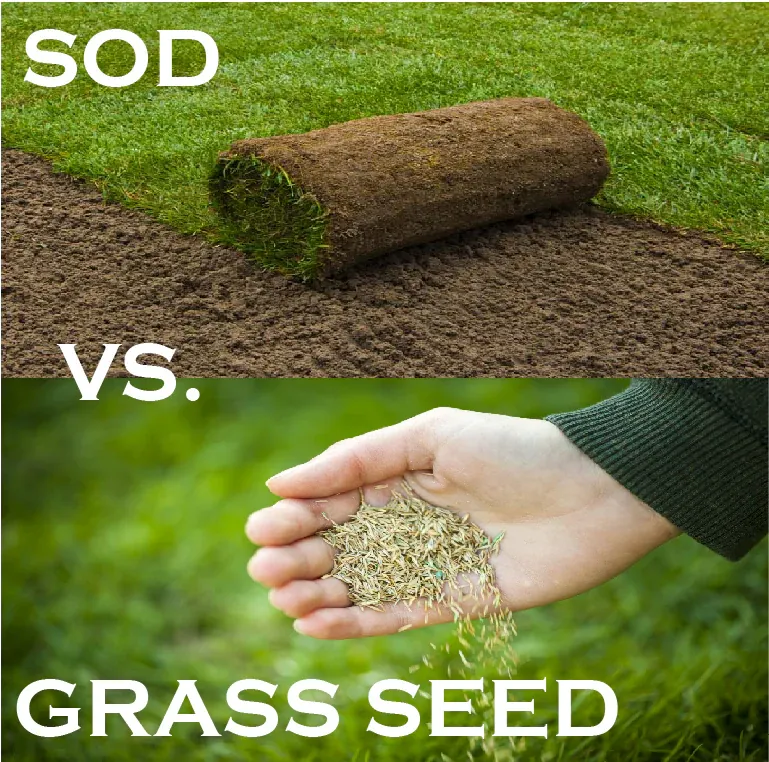
Thin lawns don't fix themselves. If your grass has bare patches, worn-down areas, or just doesn't fill in the way it used to, overseeding introduces new seed into the existing turf to thicken it up without starting from scratch. It's faster and less expensive than sodding, and when done at the right time, the results show within a few weeks.
What's included
- Seed selection matched to your property's sun, shade, and soil conditions
- Broadcast or slit-seeding application across the full lawn or targeted areas
- Seed-to-soil contact preparation (best results when paired with aeration)
- Starter fertilizer application to support germination
- Watering schedule and aftercare instructions
- Residential and commercial properties
When to overseed in Southwestern Ontario
The ideal combination is core aeration followed immediately by overseeding. The aeration holes give seed direct contact with exposed soil, which dramatically improves germination rates compared to broadcasting seed over a compacted surface.
- Best timing: late August to mid-September. Warm soil promotes fast germination, cool air reduces seedling stress, and fall rain reduces the watering burden.
- Secondary window: early to mid-May. Workable, but the new grass faces summer heat before it's fully established.
- Avoid June through August. High heat and inconsistent rain make germination unreliable.
What seed we use
We select mixes based on local conditions, not generic big-box blends. For most lawns in Elgin, Oxford, and Norfolk Counties, we use a mix of Kentucky Bluegrass for self-spreading and recovery, Perennial Ryegrass for fast germination and traffic tolerance, and Fine Fescue for shade tolerance and drought resistance.
The ratio changes depending on your property. A shaded backyard under a mature canopy gets a heavier fescue mix. A sunny front lawn gets more bluegrass and ryegrass.
What to expect after overseeding
Avoid heavy foot traffic on newly seeded areas for the first three to four weeks. If you have dogs, keep them off the overseeded sections until the first mow.
- Week 1 to 2: keep the seeded areas moist. Light watering twice a day beats one heavy soak.
- Week 2 to 3: new grass begins to emerge. Reduce watering to once per day.
- Week 4 to 6: new grass blends with the existing turf. Resume normal mowing when the new growth reaches 3 to 4 inches.
- By spring: a noticeably thicker, more uniform lawn.
Where we offer this service
Aylmer, St. Thomas, Tillsonburg, Woodstock, Ingersoll, Norwich, and surrounding areas across Elgin, Oxford, and Norfolk Counties.
Related services
Ready when you are
Let's build something great together.
Free quotes. Quality work. Whether it's a one-time cleanup or a full seasonal contract, we'll show up on time and leave it better than we found it.